


 Deutsch
 English
 Español
 Français
 Nederlands
 Português


 Share
Share




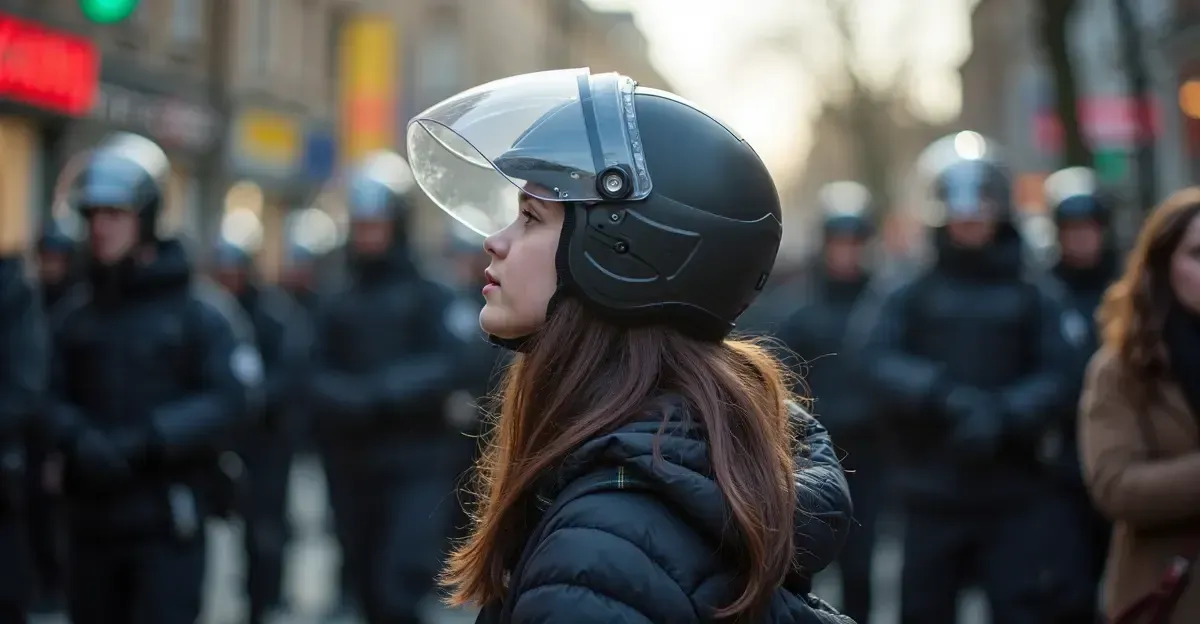
French school protests have left at least 119 people injured and 625 arrested as students across France blockade schools over teacher shortages and crumbling facilities, according to French authorities. The demonstrations, which began last week in the Paris region, spread to Saint-Denis, Lyon, Lille and other cities, with more rallies expected as the government unveils its 2027 budget.
What sparked the French school protests?
Students are demanding more resources, replacement of absent teachers, smaller class sizes and renovated buildings. At Lycée Paul-Eluard in Saint-Denis, walls are crumbling, chairs are broken and rats roam the corridors. Some classes are held in temporary emergency buildings that are freezing in winter and sweltering in summer. The unrest has reignited debate over French education system underfunding and unequal school conditions.
How did the protests escalate across France?
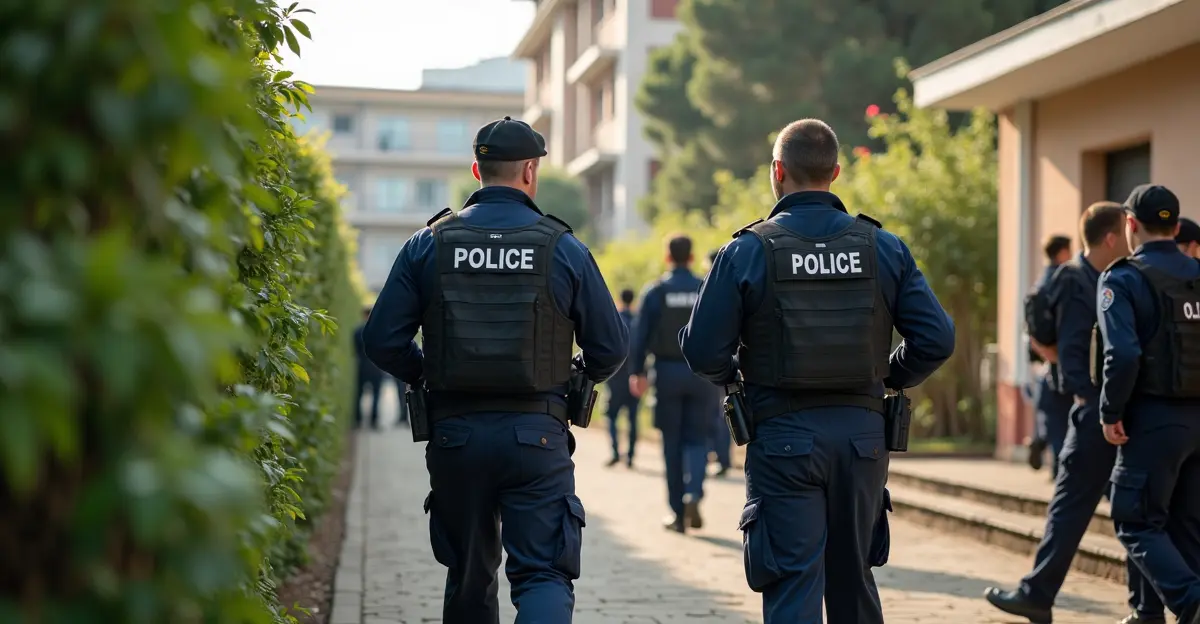
The movement started when students blocked school entrances in the Paris region. By Wednesday, demonstrations had spread to more than 300 schools, with around 30 university sites also blocked. Violence intensified: bins and a firetruck were set alight in Marseille, fires were reported in Nantes and Strasbourg, and a school principal was doused with petrol. Interior Minister Laurent Nunez said 625 people were detained on Wednesday, after more than 440 arrests the previous day; most detainees are minors. He also reported seven incidents of hydrochloric acid thrown at police. Education Minister Edouard Geffray said 119 people have been injured since the protests began, including students, school directors and teachers. The escalation mirrors youth-led protests across Europe over education funding.
Government response and political fallout
The government condemned the violence but acknowledged that school problems must be addressed. President Emmanuel Macron criticised blockades and fires, while Prime Minister Sebastien Lecornu convened an emergency crisis meeting. Hard-left La France Insoumise politicians joined the demonstrations; other officials accuse the party of fuelling anger. LFI leader Jean-Luc Mélenchon called police violence “unacceptable” and “disproportionate.” As the government presents its 2027 budget with expected cuts, French public sector strikes have added to the pressure on Paris.
What students and teachers say
“We want to be heard, because we are the generation of tomorrow,” said Jannah, 16. “We have the right to good education. The least we can expect is to work under as normal conditions as possible. But that is not the case here.”
Philosophy teacher Julie Morriset said: “Every day there are arrests and police violence. We have had students sprayed with tear gas, beaten and arrested violently. We are talking about young people aged 15, 16 and 17 being treated like scum. We really do not think that is acceptable.”
Asia, 14, added: “I find it ridiculous and scandalous that police act against young people between 14 and 18. We are minors, we are only here to talk about our rights.” Teachers at Saint-Denis have formed a human chain between students and police to protect them.
FAQ: French school protests explained
Why are French students protesting?
Students are protesting teacher shortages, overcrowded classrooms, dilapidated school buildings and planned budget cuts.
How many people have been injured in the French school protests?
Education Minister Edouard Geffray reported 119 injured, including students, school directors and teachers.
How many people were arrested?
Interior Minister Laurent Nunez said 625 people were detained on Wednesday, following more than 440 the day before; most are minors.
Which cities are affected?
Protests have spread from the Paris region to Saint-Denis, Lyon, Lille, Marseille, Nantes, Bordeaux, Rennes and Strasbourg.
What is the French government’s response?
The government condemned violence but acknowledged school problems must be addressed; it is unveiling a 2027 budget with expected cuts.



Follow Discussion